


Word Solitaire: Match & Play
4.8261.00 Reviews
App Specs
- Version
- 1.1.1
- Updated On
- License
- Free
- Downloads
- 100,000+
- Developer
- Unico Studio
- Categories
- Word
- Platform
- Android
Screenshots
 Analysis by AppCompare
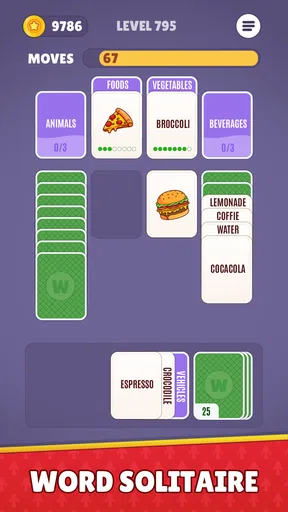
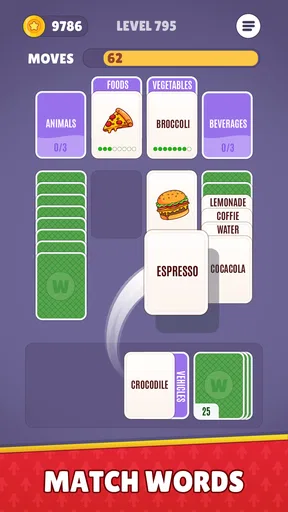
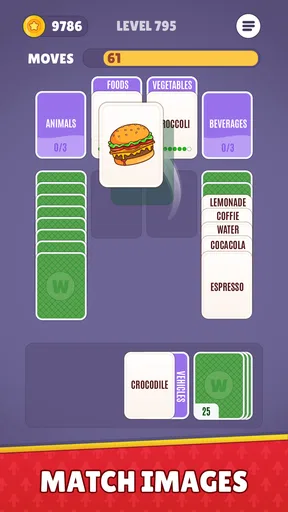
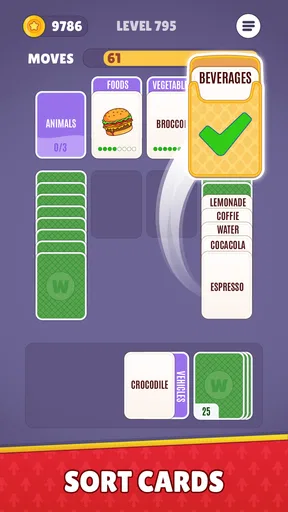
I like word games that give me a small puzzle to focus on without demanding a long commitment, and Word Solitaire: Match & Play has an appealing hook: it asks me to treat letters more like a changing solitaire layout than a conventional word-search grid. The basic decision is easy to understand—look at the available letters, find a useful word, and think about how removing those cards will affect what remains. That combination makes each move feel like both a vocabulary choice and a little bit of planning.
It is a word game from Unico Studio, and the idea should make sense to anyone who has enjoyed either word puzzles or solitaire-style games. I would describe its appeal as calm but not mindless: there is room to pause, scan the board, and reconsider a possible word before committing. The game is free to download, with optional in-app purchases, so it is easy to try the central puzzle loop before deciding whether it suits you. Its Everyone age rating also makes the general presentation accessible to a broad audience.
The most useful way to approach a puzzle is not to grab the first word I spot. I scan for more than one possibility, then consider which word seems likely to expose or preserve useful letters. That tiny pause is where the solitaire influence shows: an obvious word can be valid without being the best move for the board. When I am playing casually, I can choose the satisfying match; when I want more of a challenge, I try to think one step beyond it.
The First Move: Reading the Board Before Chasing Words
Jumping into Word Solitaire: Match & Play is a breeze. The installation process on both Android and iOS is smooth and straightforward. Within minutes, you’re greeted by a clean and user-friendly interface that sets the tone for an engaging experience. The colors are vibrant, and the animations are slick, making the game visually appealing right from the start.
The tutorial is intuitive, guiding you gently through the mechanics without overwhelming you. It’s like having a friend patiently showing you the ropes, ensuring you’re ready to dive into the deeper challenges that await. Once you’re done with the basics, you’re left with a sense of excitement and eagerness to explore more.
For a new player, my practical tip is to spend the first few turns learning how the layout responds, rather than treating every available letter as an invitation to make the quickest word. In a card-based word puzzle, what is easy to see and what is strategically useful are not always the same thing. I find it helps to look for short, dependable words first, but only after checking whether a different combination could make the next decision easier. This is a small habit, yet it makes the game feel more thoughtful without turning a relaxing session into homework.
That approach is especially handy when I have only a few spare minutes. I can open the game, make a couple of deliberate moves, and leave the puzzle with a clear sense of what I was trying to do. It is less suited to someone who wants a completely automatic time-killer: even a simple board can ask for a moment of attention. The pleasure is in noticing a word and then asking whether using it now is better than saving the opportunity to work through another part of the layout.
Worth Reading Before You Choose

EA SPORTS FC Mobile 26 Is a Bigger Football Game, but It Takes Time

Flipboard Shows What News Apps Must Do Beyond the Feed

Switching to Android Auto Means Rethinking Your Driving Routine

Google Calendar Makes a Crowded Week Easier to Manage

Ludo King Makes the Most of the Minutes Between Plans

Baby Panda World Brings Quick Play to Modern Phones, but Its Game Library Feels Busy
How the Word-Solitaire Loop Feels
I find the appeal of this loop is that each move gives me a fresh decision rather than just another word to spot: I choose, watch the available letters change, then reassess what looks possible. That makes a short pause between moves useful, especially when I want to play thoughtfully without turning a break into a serious study session. Next, the key question is how that changing board makes feedback feel satisfying.
Gameplay: The Perfect Blend of Words and Strategy
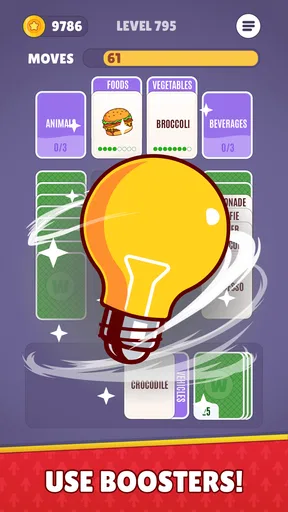
Now, let’s talk about what makes this game truly special. The core of Word Solitaire: Match & Play revolves around building words using a deck of letter cards. It’s a clever twist on the traditional solitaire, where your goal is to clear the board by forming meaningful words. Think of it as a cross between scrabble and solitaire, but with its own unique flair.
The game offers various levels of difficulty, ensuring that both beginners and seasoned wordsmiths find a challenge that suits them. As you progress, you encounter trickier puzzles that require not just a good vocabulary but also strategic planning. It’s a delightful brain workout, testing your language skills and your ability to think ahead.
The feedback rhythm is what makes a move satisfying: I identify a word, play it, and see the board change. That immediate result gives me a reason to inspect the remaining letters rather than simply tapping through a list of answers. If a move opens up a better choice, the reward is not only clearing cards; it is seeing a route that was hidden a moment earlier. If it does not, I have still learned something about the way I read the board, and I can adjust my next choice.
One useful trade-off is that vocabulary and planning pull in different directions. A player may know plenty of words but still need to think about which one to use first. Conversely, a careful planner can get slowed down by an unfamiliar combination. I would not treat a difficult board as a judgment on anyone’s vocabulary; the puzzle is asking for word recognition under a specific arrangement, not a test of general intelligence. Taking a second look at letter groupings is often more helpful than trying to force a long or impressive word.
This distinction also explains why the game feels different from a standard crossword. Crosswords usually ask me to fill fixed spaces using clues, while a word-search puzzle is about spotting a target in a grid. Here, the cards make the order of choices part of the challenge. Compared with a traditional solitaire game, the word-building gives each decision a language angle; compared with a fast word scramble, the card layout rewards patience. If you mainly want clue-solving or rapid-fire word generation, those familiar formats may suit you better.
Feedback, Rewards, and Reasons to Return
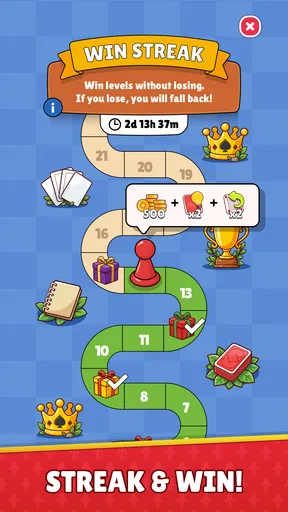
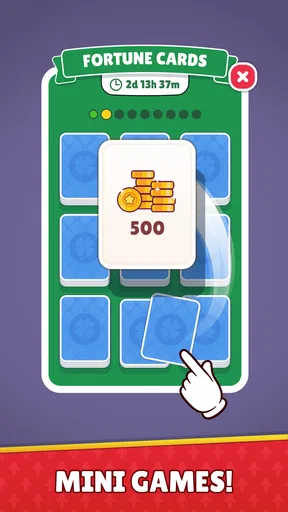
Aside from the addictive gameplay, Word Solitaire: Match & Play is packed with features that enhance the overall experience. You’ve got daily challenges that keep things fresh and exciting, with rewards that make logging in every day worthwhile. The leaderboard feature adds a competitive edge, encouraging you to beat your friends’ scores and claim the top spot.
I also love the customization options available. You can personalize your deck with various themes and backgrounds, adding a touch of personality to your gameplay. It’s these little touches that make the game feel more engaging and tailored to your preferences.
The rewards and return prompts work best for players who enjoy having a small reason to revisit a puzzle game. A daily challenge can provide a useful starting point when I do not feel like choosing what to play, while a leaderboard gives a competitive player something to compare. I would treat those elements as optional motivation, not the main reason to install it. The strongest part of the experience is still the act of turning a visible set of letters into a sensible sequence of moves.
For a low-pressure routine, I can imagine opening it while waiting for a kettle to boil or during a short break between tasks. I would play one puzzle, pause when I need to return to what I was doing, and come back later if I wanted another round. The daily element can make that habit feel satisfying, but it can also become a chore if I start treating every reward as an obligation. I recommend using the challenge as a prompt when it sounds fun, rather than letting a streak or leaderboard dictate when you play.
Customization serves a different purpose. A theme or background can make the screen feel more personal, but it does not change whether I enjoy the word decisions. I would choose a look I can read comfortably and then stop fussing with it; the board itself deserves more attention than cosmetic switching. That is a small but useful distinction for anyone deciding what matters: the visual options are a pleasant extra, while the puzzle’s letter-and-card logic is the actual reason to keep playing.
On the competitive side, leaderboards can turn a quiet solo puzzle into a reason to compare results, but that will not appeal to everyone. If I am playing to unwind, I would ignore rankings and take my time. If I am naturally motivated by seeing how I stack up against friends, the feature adds a goal without changing the basic loop. The same game can therefore serve two moods, though it is not necessary to engage with every social or reward element to enjoy its core idea.
Session Length, Spending, and Who Will Enjoy It
If you’re someone who enjoys word games or solitaire, this app is a no-brainer. But even if you’re new to these genres, Word Solitaire: Match & Play offers a refreshing twist that’s easy to fall in love with. It’s perfect for those idle moments when you need a quick brain teaser or for longer sessions when you want to unwind and immerse yourself in a challenge.
The game is free to download, with optional in-app purchases that are not intrusive. You can enjoy the full experience without feeling pressured to spend, which is a huge plus in my book.
The practical question for a free game is whether I can try it without immediately needing to pay. I can download it for free, and purchases are optional; the listed in-app purchase range runs from $1.99 to $79.99 per item. That range is wide enough that I would check the specific item and price shown in the purchase flow before confirming anything. I would not assume that a higher-priced option is necessary to enjoy the word puzzles, and I would make a purchase only if I understood exactly what it offered and wanted it.
It is also worth knowing that this is a relatively new release, dated February 11, 2026, with version 1.0.12. The game has an average rating of 4.8 from around 1.9 thousand ratings, alongside 102 reviews and over 50 thousand installs. Those figures suggest that plenty of players have tried it and that its reception is strong, but they cannot tell me whether its particular style will fit my taste. I would still judge it by whether I enjoy the pace and the board decisions after a few sessions.
For device compatibility, the minimum operating system listed is 7.1. If you are deciding whether it is a good fit for a younger player, the Everyone rating is reassuring as a broad content guide, though I would still consider whether that player enjoys reading and forming words. It is not a substitute for a picture-led game, and its appeal depends on being comfortable with letter-based choices. For adults, it works best when a quiet puzzle is more appealing than an action game or an online match that demands constant attention.
I think the game is strongest for people who enjoy finding several possible words and weighing which one to use, especially if they already like solitaire but want a more language-focused variation. It may also suit a word-game newcomer who finds a crossword’s clues intimidating. I would skip it if I wanted an expansive story, complex strategic systems, or a purely social game; its appeal is a compact, repeatable puzzle, not a campaign or a substitute for a full tabletop word game.
Compared with common alternatives, the main choice is about the kind of thinking you want. A word-search is usually more about scanning for a known word, and a crossword leans on clues and crossing answers. A classic solitaire app focuses on card placement, while a rapid word game often rewards quick responses. This title sits between those habits: I look for words, but I also consider the effect of removing letter cards. If that blend sounds appealing, it offers a more deliberate pace than a timed word scramble and a more verbal one than ordinary solitaire.
Why It’s Worth Your Time
The version number is 1.0.12, which gives me a useful point of reference if I am checking that I have the current release on a compatible device. I would keep the app updated through the relevant store when updates are available, particularly for a newer game, but I would not make a decision based on version numbering alone. What matters more is whether the core board is clear to read and whether the puzzle’s pace feels enjoyable on the screen I use.
One more practical tip: decide in advance whether you are playing for relaxation or for a personal challenge. When I want to unwind, I make a reasonable word and accept that it may not be the most efficient route. When I want to engage my planning side, I pause to compare options before clearing anything. Separating those two moods keeps the game from feeling frustrating; the same board can be pleasant or demanding depending on how much optimization I expect from myself.
In conclusion, Word Solitaire: Match & Play is a delightful fusion of word puzzles and solitaire that’s both challenging and relaxing. It’s one of those games that you’ll keep coming back to, whether you’re a casual player or a die-hard fan of word games. Give it a try, and you might just find yourself hooked on this charming and cleverly designed app.
Pros
- Engaging card and word puzzle combination.
- Smooth
- intuitive user interface.
- No intrusive ads during gameplay.
- Challenging levels for all skill levels.
- Regular updates with new content.
Cons
- Limited free hints available.
- Occasional connectivity issues.
- Some levels feel repetitive.
- In-app purchases can be pricey.
- Requires internet for some features.
FAQs for Word Solitaire: Match & Play
What is Word Solitaire: Match & Play?
Word Solitaire: Match & Play is a mobile game that combines the classic card game of Solitaire with word puzzles. Players need to match cards to form words, merging strategic thinking with vocabulary skills. This offers a unique twist on traditional Solitaire, making it both challenging and educational.
Is Word Solitaire: Match & Play available for both Android and iOS?
Yes, Word Solitaire: Match & Play is available for download on both Android and iOS platforms. Users can find the app on the Google Play Store for Android devices and the Apple App Store for iOS devices, ensuring broad accessibility across different smartphones and tablets.
Are there in-app purchases in Word Solitaire: Match & Play?
Yes, the game includes in-app purchases. While the core game is free to download and play, there are optional purchases available. These might include additional levels, power-ups, and cosmetic items that enhance the gameplay experience. Players can choose whether to buy these extras or enjoy the game without them.
Does Word Solitaire: Match & Play require an internet connection?
Word Solitaire: Match & Play can be played offline, making it perfect for users who want to enjoy the game without an internet connection. However, some features, such as leaderboards and updates, might require online access. This allows flexibility in how and where you play the game.
What age group is Word Solitaire: Match & Play suitable for?
Word Solitaire: Match & Play is suitable for a wide age range, typically recommended for players aged 12 and up. The game’s combination of word-building and card strategy appeals to both teenagers and adults, offering a fun yet mentally stimulating experience that enhances vocabulary and strategic skills.


